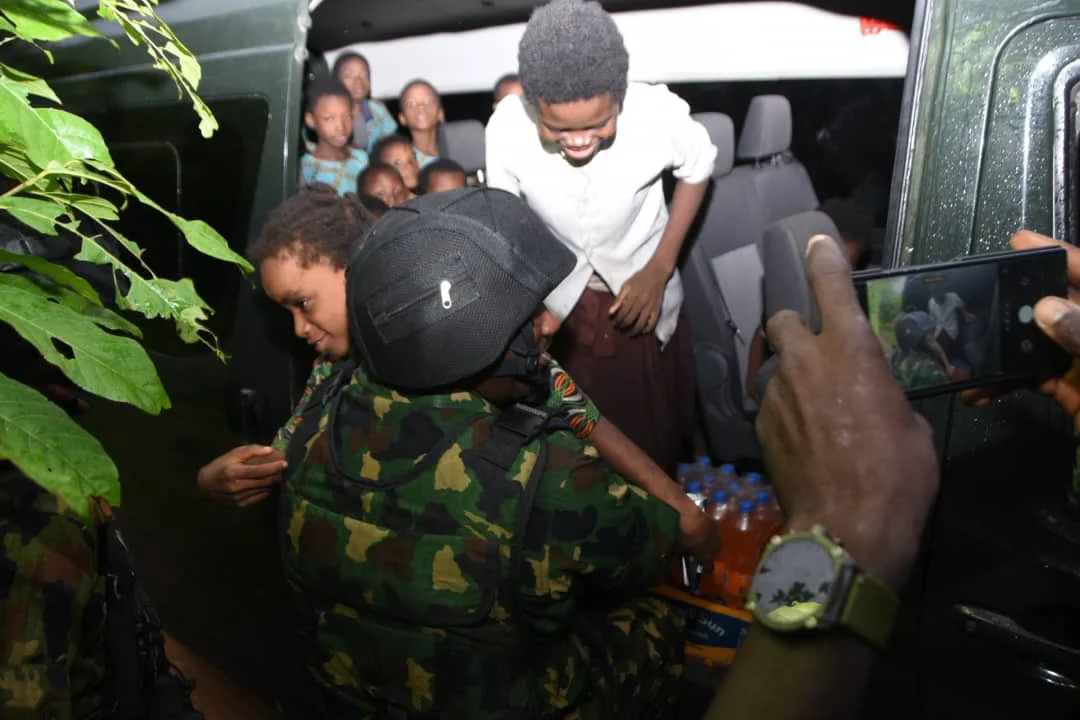
For 56 days, the parents of 44 pupils and teachers in Oyo State lived in a kind of suspended grief — not knowing if their children were alive, not knowing when, or if, they would come home. On Friday, that agony ended. Security agencies confirmed that all the students and teachers abducted from three schools in Oriire Local Government Area on May 15 had been freed, in a joint operation by the military, the Department of State Services and the police. No ransom was paid.
It’s a genuine victory, and Nigerians have celebrated it as one. But almost as soon as the news broke, the celebration curdled into a harder question: if this operation worked, why hasn’t it been repeated everywhere else people are still being held?
A Rescue That Raised the Bar
Officials have described the Oyo operation as intelligence-led — a coordinated, evidence-based effort rather than a ransom negotiation. That distinction matters. It’s being held up now as proof that Nigeria’s security apparatus can deliver results when intelligence, political will and inter-agency cooperation align.
It’s also thrown into sharp relief just how many other Nigerians are still waiting for that same alignment to happen for them.
Borno: Two Attacks, 78 Children Still Missing
In Borno State, Boko Haram insurgents struck twice in as many months. On May 15 — the same day as the Oyo attack — gunmen abducted 42 pupils from Mussa Primary and Junior Secondary School. Six weeks later, on June 29, terrorists hit Government Day Secondary School in Lassa, taking 36 students and a teacher.
Families there describe a silence that has become its own form of suffering. One father, whose daughter was taken in the Lassa attack, said the parents have received no meaningful update since the day it happened. Community members say repeated appeals to the authorities have produced only reassurances, never information.
There are warnings, too, that patience is running out. The Borno South Youth Alliance has said it will organize protests if the children aren’t rescued soon.
Kwara: Six Months, 176 Lives, and Fading Hope
The scale of the Kwara crisis is staggering. Between February 3 and 4, terrorists attacked the Woro and Nuku communities in Kaiama Local Government Area, killing more than 200 people, torching homes and markets, and abducting 176 women and children, along with 11 members of one family from the Yashikira Emirate.
Extra troops and tactical teams were deployed to the area months ago. But relatives say there’s little to show for it. The only contact anyone has had with the captives came through a video in which the kidnappers threatened execution if their demands weren’t met.
Local voices have been blunt about why Kwara hasn’t seen the same urgency as Oyo. One analyst pointed to the difference in public visibility — sustained media coverage and protests kept the Oyo case in the national conversation, while fear of intimidation has kept similar pressure from building in Kwara.
Kaduna: A Ransom Demand That Won’t Move
In Kaduna, the story is grimmer still. Nearly three months after gunmen stormed two churches during Easter Sunday service in Ariko Community — First ECWA Church and St Augustine Catholic Church — families say an audio message from one of the captives suggested some victims have already died from hunger, illness, and the conditions of captivity.
The kidnappers are demanding ₦1 billion and 35 motorcycles, and have refused to lower the price. The community’s only line of communication with their loved ones runs through the kidnappers themselves.
The Political Pressure Is Mounting
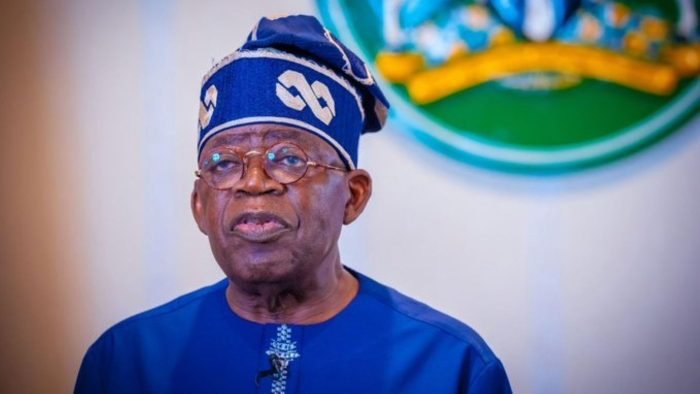
The response to Borno, Kwara, and Kaduna’s continued suffering has been swift and cross-cutting. The Arewa Consultative Forum and the Northern Elders Forum have both called on the Tinubu administration to replicate the Oyo operation nationwide. The African Democratic Congress has gone further, warning against what it called “selective rescue efforts” and arguing that the government’s real measure of success should be prevention, not just recovery.
Religious leaders have joined the call too. The Chief Imam of Al-Hikmah University in Ilorin invoked two of Nigeria’s most painful reference points — Chibok and Dapchi — warning that the country cannot afford another prolonged mass-abduction crisis.
The Government’s Response
The Presidency has pushed back on the idea that some victims are being prioritized over others. A senior aide to President Tinubu told reporters that the president has directed security and intelligence agencies to secure the release of every Nigerian in captivity, regardless of region, and that rescues are happening on a near-daily basis across the country, even if they don’t always make headlines.
Whether that reassurance will satisfy families in Borno, Kwara and Kaduna is another matter. For them, the Oyo rescue isn’t just good news — it’s evidence of what’s possible, and a reminder of how long they’ve already been waiting for it.